How Cheltenham Retailers Can Switch to Ecommerce: A Complete Guide

How Cheltenham Retailers Can Switch to Ecommerce: A Complete Guide
Cheltenham's vibrant retail scene has long thrived on the strength of its high street. However, the landscape of retail has fundamentally changed. Whether you're a traditional boutique, independent fashion retailer, or specialty shop on the Promenade, moving online isn't just an option anymore — it's essential for survival and growth.
This guide walks Cheltenham retailers through the strategic process of transitioning to ecommerce, from initial planning to managing both online and physical operations seamlessly.
Why Cheltenham Retailers Need to Go Online
Cheltenham attracts thousands of tourists and locals to its high street each year, but the reality is that consumer behaviour has shifted dramatically.
The Numbers Tell the Story
- 74% of UK adults shop online regularly — and this percentage continues to grow
- Online sales now represent over 30% of total retail transactions in the UK
- Mobile commerce accounts for 60% of online shopping, meaning customers expect a seamless mobile experience
- Local searches with "near me" continue to grow — customers want to support local businesses but expect both physical and online options
Benefits of Online Retail for Cheltenham Businesses
Extended trading hours: Your shop never closes — customers can browse at midnight
Geographic reach: Break free from Cheltenham's boundaries and sell to the entire UK and beyond
Lower overhead: An online store requires less square footage and staffing investment
Customer data: Understand buying patterns and customer preferences with detailed analytics
Reduced rent pressure: Less reliance on prime high street locations
Complementary channel: Use online to fulfill demand during quiet in-store periods
Customer retention: Email marketing and remarketing keep customers engaged between visits
Step 1: Assess Your Readiness
Before diving into ecommerce, take time to honestly evaluate your business.
Questions to Ask Yourself
Products: Can your products be effectively sold online? Fashion, homeware, and specialty items generally perform well. Service-based businesses may need different approaches.
Inventory: Do you have adequate stock to support online orders alongside in-store sales? Can you track inventory across channels?
Operations: Do you have the capacity (or can you hire) to manage online orders, packing, and shipping?
Budget: What can you realistically invest in platform fees, shipping materials, and potential marketing?
Team skills: Who will manage the online store day-to-day? What training will they need?
Calculate Your Online Potential
Estimate potential online revenue:
- Take your current in-store revenue
- Research comparable online retailers in your sector
- Your online store could realistically generate 20-50% of in-store revenue initially
- Set a break-even point before investing heavily
Step 2: Choose the Right Ecommerce Platform
Cheltenham retailers have several platform options, each with different strengths.
Shopify
Best for: Most retail businesses, especially those wanting a standalone online presence
Advantages:
- User-friendly with no technical knowledge required
- Over 8,000 apps to extend functionality
- Professional templates suitable for any retail sector
- Integrated payment processing
- Built-in shipping integration with Royal Mail, Parcel2Go, and others
- Excellent for UK-based businesses
Costs: From £29/month plus transaction fees
WooCommerce
Best for: Retailers wanting to build on WordPress (good if you already have a WordPress website)
Advantages:
- Open-source and flexible
- Good if you need deep customisation
- Can run on existing WordPress site
Costs: Variable depending on hosting and extensions
BigCommerce
Best for: Larger retailers expecting significant growth
Advantages:
- More enterprise features
- Excellent for high-volume sellers
- Better for complex inventory management
Costs: From £29.95/month
Our Recommendation for Cheltenham Retailers
For most independent Cheltenham retailers, Shopify is the ideal choice because:
- It's designed specifically for retail businesses
- It handles UK tax, shipping, and payments natively
- The learning curve is manageable for small teams
- Support is excellent and widely available
- Scaling up (or down) is simple
Step 3: Set Up Your Online Store
Once you've chosen your platform, it's time to build.
Domain and Branding
Get a custom domain: While your Shopify store will have a default URL, invest in a custom domain like www.yourshop.com
Consistent branding: Use the same logo, colours, and tone of voice as your physical store
Professional imagery: Invest in good product photography — this is crucial. Many Cheltenham retailers underestimate how important quality images are online.
Product Setup
High-quality descriptions: Don't just list product specifications. Describe how they make customers feel, how they're used, and what makes them special.
Accurate pricing: Include your prices clearly. Consider whether you'll offer online-exclusive deals to drive traffic.
Stock management: Set up inventory tracking so online and in-store stock doesn't oversell. Many platforms integrate with your physical point-of-sale system.
Product categories: Organize products logically. Shopify's collection feature is excellent for this.
Store Policies
Shipping policy: Be clear about delivery times and costs. For Cheltenham retailers, consider:
- Free shipping over a certain amount to encourage larger orders
- Click & collect from your physical store (if using Shopify Plus)
- International shipping if desired
Return policy: Be clear and generous — returns are more important in online retail. Many successful retailers offer 30-60 day returns.
Privacy and terms: Use Shopify's templates but customize them for your business.
Step 4: Solve the Shipping Challenge
Shipping is often the biggest hurdle for new online retailers.
Royal Mail Solutions
Royal Mail Special Delivery Guaranteed by 1pm: Premium option, customers get compensation if delayed
Royal Mail 1st Class: Standard option, typically arrives next working day
Royal Mail 2nd Class: Cheaper option, good for non-urgent items
Parcel Services
Parcel2Go: Compare rates across carriers (Royal Mail, DPD, Hermes)
DPD: Excellent for express delivery and tracking
Hermes: Budget-friendly for lightweight items
Shipping Strategy for Cheltenham Retailers
Free shipping threshold: Offer free shipping on orders over £50 to increase basket size
Click & collect: Allow customers to order online and pick up in your Cheltenham store
Local delivery: For local customers, offer same-day or next-day delivery
Packaging: Invest in branded packaging — it's the first impression customers get and perfect for word-of-mouth marketing
Step 5: Payment Processing
Customers expect multiple payment options online.
Shopify Payments
- Integrated directly into Shopify
- No setup fees or monthly costs
- Transparent transaction fees (1.4% + 20p per transaction)
- Includes Visa, Mastercard, American Express, and Apple Pay
Alternative Payment Methods
PayPal: Essential for customers who prefer PayPal
Klarna: Buy now, pay later option popular with younger customers
Google Pay and Apple Pay: Increasingly important for mobile shoppers
Recommendation: Use Shopify Payments as your primary method and add one or two alternatives. Most Cheltenham retailers find Shopify Payments + PayPal sufficient.
Step 6: Manage Multi-Channel Inventory
The biggest operational challenge is managing inventory across your physical store and online channels.
Real-Time Inventory Sync
POS system integration: Connect your retail point-of-sale to your online store so inventory updates automatically
Manual management: If automatic sync isn't available, train your team to update online stock daily
Buffer stock: Keep 10-20% extra inventory online to account for in-store purchases
Popular Solutions for Cheltenham Retailers
Shopify + Square: If you use Square for in-store payments, integration is seamless
Shopify + Vend: Good POS system that syncs perfectly with Shopify
Manual updates: For small retailers, even manual daily updates work fine
Step 7: Marketing Your Online Store
Having an online store means nothing if customers don't know about it.
Local Marketing (Leverage Your Physical Presence)
In-store signage: Promote your online store in your Cheltenham shop
- Display QR code linking to key products
- Mention free shipping or exclusive online deals
- Have business cards with your website
Email list: Collect emails in-store and email about online exclusives
Social media: Use Instagram, Facebook, and TikTok to promote products online
- Tag your physical location in posts
- Use Cheltenham-relevant hashtags
- Share behind-the-scenes content
Google Local: Optimize your Google Business Profile to appear in local searches
Digital Marketing
Search engine optimization (SEO):
- Use Cheltenham and location keywords naturally
- Blog about local topics and your expertise
- Build backlinks from local Cheltenham directories
Google Shopping: Show your products in Google search results
Facebook and Instagram ads: Target customers in Cheltenham and surrounding areas
Email marketing: Send monthly newsletters to your customer list
Retargeting: Show ads to people who visited your site but didn't buy
Step 8: Customer Service Excellence
Online customers can't walk into your shop and ask questions. Excellent customer service is crucial.
Key Elements
Responsive email: Reply to customer emails within 24 hours
Clear product information: Comprehensive descriptions and FAQ sections reduce customer questions
Live chat: Consider adding live chat for instant support
Hassle-free returns: Make returns easy — customers appreciate this and are more likely to buy again
Proactive communication: Send order confirmation, shipping, and tracking emails
Step 9: Monitor, Analyze, and Optimize
Your online store isn't a "set it and forget it" operation.
Key Metrics to Track
Conversion rate: Percentage of visitors who purchase (aim for 2-4%)
Average order value: How much customers spend per order
Customer acquisition cost: How much you spend to gain each customer
Cart abandonment rate: Percentage of people who add items but don't buy
Customer lifetime value: Total revenue from a customer over their relationship with you
Tools to Use
Shopify Analytics: Built-in analytics show traffic, conversions, and customer behaviour
Google Analytics: Deeper insights into how customers find and navigate your store
Email marketing reports: Monitor open rates and click-through rates
Optimization Ideas
- Speed up your website: Slower sites lose customers
- Improve product photography: Better images increase conversions
- Simplify checkout: Fewer form fields reduce cart abandonment
- Offer customer reviews: Social proof increases conversion rates
- A/B test: Try different headlines, images, and calls-to-action
Common Mistakes Cheltenham Retailers Make
1. Underestimating Product Photography
Customers can't physically examine items online. Invest in professional photography or learn to take high-quality product photos yourself.
2. Ignoring Mobile Shoppers
Over 60% of online shopping happens on mobile. Ensure your store works perfectly on phones and tablets.
3. Unrealistic Shipping Costs
Customers abandon carts over high shipping fees. Research realistic costs and consider free shipping thresholds.
4. Poor Inventory Management
Running out of stock online while items sit in-store damages credibility. Sync your inventory carefully.
5. Neglecting SEO
Many Cheltenham retailers miss the opportunity to rank for local searches. Use location keywords naturally in product descriptions and content.
6. Infrequent Content Updates
Regular blog posts and social media updates keep your store fresh and improve SEO. Aim for at least one blog post per month.
7. Ignoring Customer Feedback
Pay attention to customer reviews and emails. They reveal what's working and what isn't.
Managing Online and In-Store Together
The most successful retailers use their online and physical stores strategically.
Omnichannel Strategies
Click and collect: Customers order online, pick up in-store (saves you shipping costs)
In-store digital screens: Show best-selling online products in your Cheltenham shop
Cross-promotion: Promote in-store events online and mention online deals in-store
Unified customer experience: Same prices, branding, and quality regardless of channel
Staff training: Ensure your team understands and supports both channels
Timeline for Launching
Month 1: Planning and Preparation
- Choose your platform
- Plan your product range
- Gather resources (photography, descriptions, etc.)
Month 2: Technical Setup
- Set up your store
- Configure shipping and payments
- Add your products
- Test thoroughly
Month 3: Soft Launch
- Launch with a limited product range
- Promote to existing customers
- Gather feedback
- Fix any issues
Month 4+: Full Launch
- Expand product range
- Launch marketing campaigns
- Optimize based on data
- Plan growth initiatives
Costs to Consider
Platform fees: £29-79/month depending on your tier
Shipping supplies: Packaging, labels, boxes (£50-200/month initially)
Product photography: £500-2,000 or included if you do it yourself
Domain name: £10-15/year
Email marketing: £0-50/month depending on list size
Apps and integrations: £10-100/month
Marketing: £0-500+/month
Total startup: £1,000-3,000 to launch, then £200-800/month recurring
Getting Professional Help
While many Cheltenham retailers launch successfully on their own, some prefer professional guidance.
When to Get Help
- You're unsure about technical setup
- You need professional product photography
- You want custom design or functionality
- You need help with ongoing optimization
TEE's Ecommerce Services for Cheltenham Retailers
At TEE, we specialize in helping independent retailers like you transition to ecommerce successfully. Our services include:
- Shopify store creation and setup: Complete platform configuration
- Product photography guidance: Professional or DIY strategies
- Integration with your existing operations: Sync inventory and payments
- Custom functionality: Implement click & collect, wholesale portals, etc.
- Ongoing support and optimization: Monthly maintenance and improvements
We understand the Cheltenham retail landscape and the unique challenges local retailers face. Our team has helped numerous Cheltenham businesses successfully launch and scale online.
Learn more about our Shopify services or contact us for a consultation.
Next Steps
- Evaluate your readiness: Honestly assess whether your products, inventory, and operations support ecommerce
- Choose your platform: Shopify is ideal for most Cheltenham retailers
- Start small: Launch with your core products, then expand
- Plan your marketing: How will you drive traffic to your new store?
- Commit to optimization: Success comes from continuous improvement
Conclusion
The transition to ecommerce isn't an all-or-nothing proposition. Many successful Cheltenham retailers maintain strong physical presence while building thriving online businesses. Your high street location and local reputation are assets — use them to build trust online.
The most important thing is to start. The longer you wait, the more customers you lose to competitors who already have an online presence. Begin planning today, launch within the next three months, and you'll be well-positioned to capture the growing online retail market.
Your Cheltenham shop helped build your business. Your online store will help you grow it.
Ready to bring your Cheltenham retail business online? Our ecommerce app development team and Shopify experts are ready to help you succeed. Get your free consultation today.
Related articles
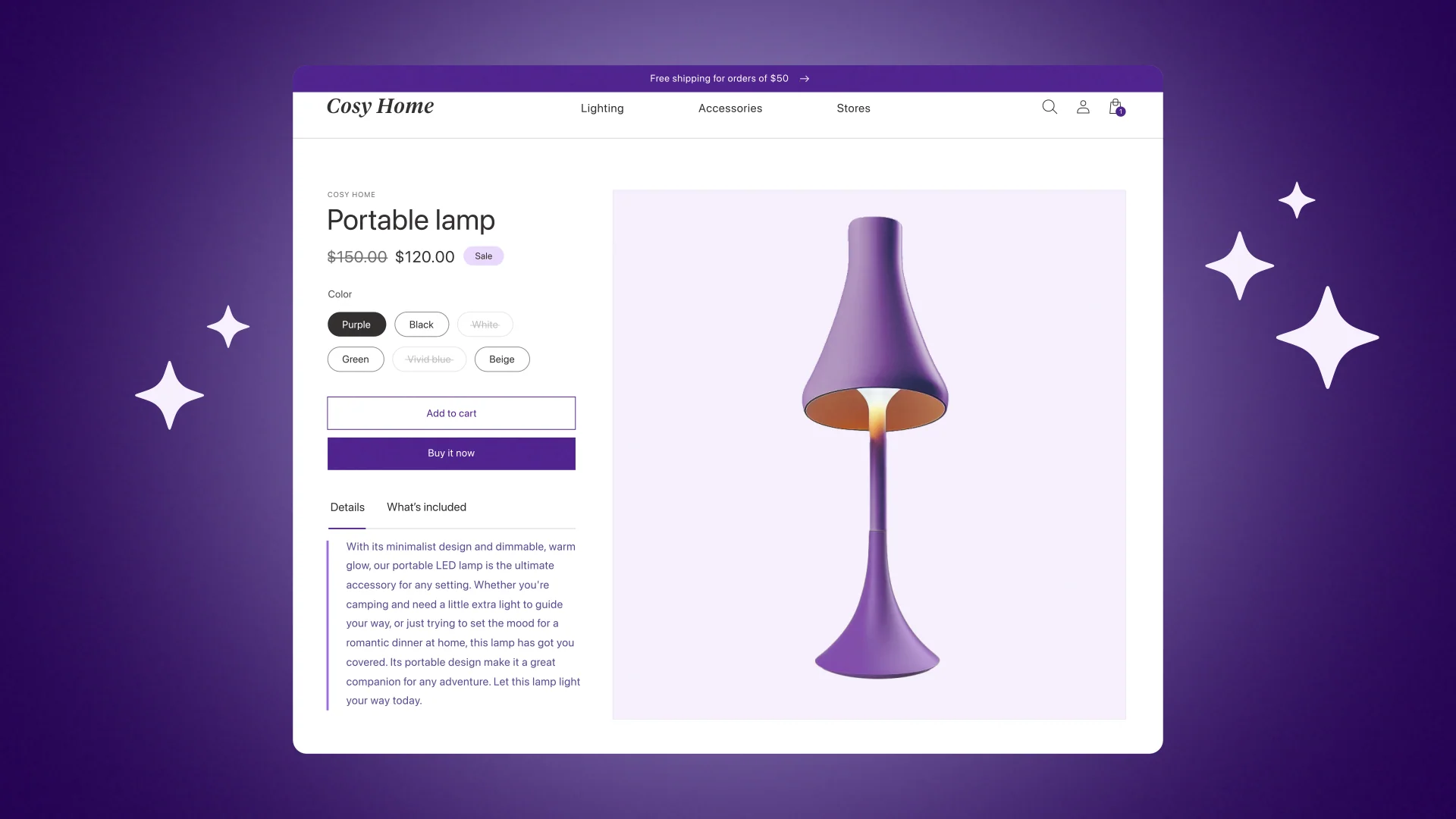
How AI Is Shaping Shopify: The New Features Built In Out of the Box
Shopify has woven artificial intelligence into nearly every corner of its platform. From AI-generated product descriptions to instant theme generation, here's a complete look at the AI features Shopify now includes out of the box — and how merchants can use them to sell smarter.
How to Create a Shopify Store: A Complete Step-by-Step Guide
Learn how to create a Shopify store from scratch with this comprehensive guide. We cover everything from initial setup and adding products to customising your theme and publishing your store.

How to Use Klaviyo with Shopify: A Complete Guide to Email Marketing Success
Learn how to integrate Klaviyo with your Shopify store, set up key events, create automated flows, and maximise your email marketing ROI with advanced segmentation and personalisation strategies.