Building a Subscription-Based Ecommerce SaaS Product: A Complete Guide
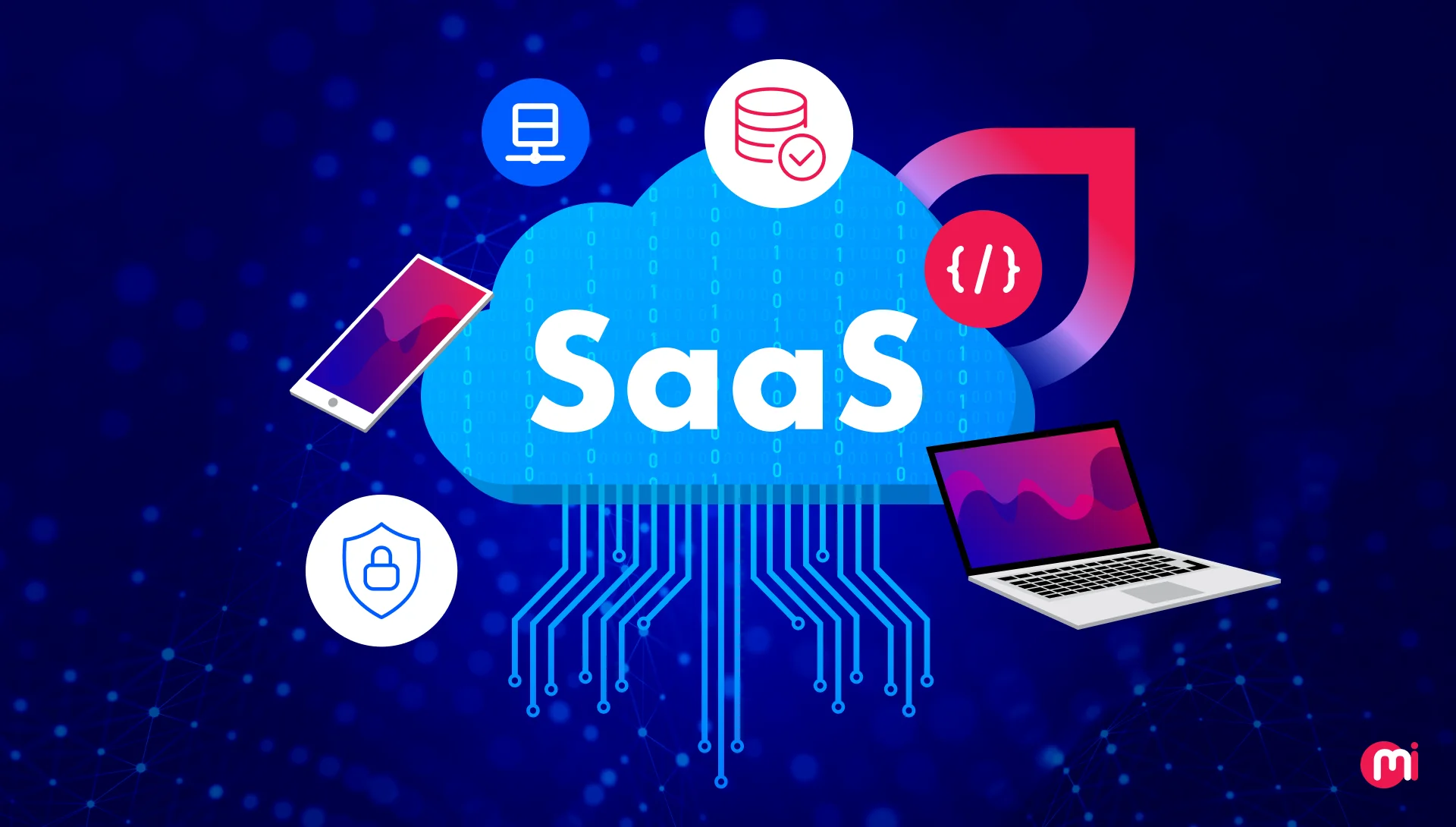
Building a Subscription-Based Ecommerce SaaS Product: A Complete Guide
The subscription economy has exploded in recent years, with businesses across every sector adopting recurring revenue models. For entrepreneurs and established companies alike, building a subscription-based ecommerce SaaS product represents an attractive opportunity — but it's also one of the most challenging ventures in the software world.
In this comprehensive guide, we'll explore what's truly involved in building a subscription ecommerce SaaS, the challenges you'll face, and why getting the fundamentals right from day one is critical to your success.
Understanding the Subscription Ecommerce SaaS Landscape
Before diving into development, it's essential to understand what makes subscription-based ecommerce SaaS products unique. Unlike traditional one-time purchase software, subscription models require:
- Continuous value delivery to justify recurring payments
- Robust billing infrastructure to handle complex pricing tiers
- Customer retention focus as churn directly impacts revenue
- Scalable architecture to grow with your customer base
- Ongoing development to stay competitive and relevant
The market is competitive, with established players and well-funded startups vying for market share. Success requires more than just a good idea — it demands exceptional execution across product, technology, and business operations.
The Critical Importance of Product-Market Fit
Perhaps no factor is more important to your SaaS success than achieving genuine product-market fit. Too many founders rush to build before validating that a real, paying market exists for their solution.
Signs of True Product-Market Fit
Strong product-market fit looks like:
- Customers actively seeking you out through word-of-mouth
- High trial-to-paid conversion rates (typically 15-25%+ for B2B SaaS)
- Low churn rates indicating customers find ongoing value
- Customers using features you didn't even market heavily
- Organic growth outpacing paid acquisition
Warning signs you haven't found fit:
- Constant feature requests that take the product in different directions
- High churn rates, especially in the first 90 days
- Difficulty explaining your value proposition simply
- Customers using only a fraction of your features
- Heavy reliance on discounting to close sales
Validating Before Building
Before writing a single line of code, invest time in validation:
- Customer interviews: Speak to at least 50 potential customers about their pain points
- Competitive analysis: Understand why existing solutions fall short
- Willingness to pay: Test pricing assumptions early with real commitments
- MVP definition: Identify the smallest possible product that delivers core value
- Landing page tests: Gauge interest through pre-launch sign-ups
The goal isn't to validate that people like your idea — it's to validate that they'll pay for it repeatedly.
Technical Challenges in Subscription Ecommerce SaaS
Building a subscription-based ecommerce SaaS presents unique technical challenges that require careful planning and expertise.
1. Subscription Billing Complexity
Billing in a subscription SaaS is deceptively complex:
- Multiple pricing tiers with different feature sets
- Usage-based billing components alongside fixed subscriptions
- Proration when customers upgrade or downgrade mid-cycle
- Failed payment handling and dunning management
- Tax compliance across different jurisdictions
- Invoicing and receipt generation
- Revenue recognition for accounting purposes
Many teams underestimate billing complexity, leading to countless hours debugging edge cases and handling customer complaints about incorrect charges.
2. Multi-Tenancy Architecture
SaaS products serve multiple customers (tenants) from a shared infrastructure. Getting multi-tenancy right involves:
- Data isolation: Ensuring customers can never access each other's data
- Performance isolation: Preventing one customer's usage from impacting others
- Customisation: Allowing tenant-specific configurations without code changes
- Scalability: Growing infrastructure efficiently as tenants increase
The architecture decisions you make early will either enable or constrain your growth for years to come.
3. Integration Requirements
Ecommerce SaaS products rarely exist in isolation. Your platform will likely need to integrate with:
- Payment gateways (Stripe, PayPal, etc.)
- Ecommerce platforms (Shopify, WooCommerce, Magento)
- Accounting software (Xero, QuickBooks)
- CRM systems (Salesforce, HubSpot)
- Marketing platforms (Mailchimp, Klaviyo)
- Shipping and fulfilment services
- Analytics and reporting tools
Each integration adds complexity, maintenance burden, and potential points of failure.
4. Security and Compliance
Handling ecommerce data means stringent security requirements:
- PCI DSS compliance for payment card data
- GDPR compliance for European customers
- SOC 2 certification increasingly expected by enterprise customers
- Data encryption at rest and in transit
- Access controls and audit logging
- Regular security assessments and penetration testing
Security isn't a feature you add later — it must be baked into your architecture from the start.
5. Scalability and Performance
As your platform grows, you'll face increasing demands on:
- Database performance with growing data volumes
- API response times as request volumes increase
- Background job processing for async operations
- File storage and CDN for assets and uploads
- Search functionality across large datasets
Building for scale from day one is expensive, but retrofitting scalability into a monolithic application is far more costly.
The Development Journey: What to Expect
Building a subscription ecommerce SaaS is a marathon, not a sprint. Here's a realistic view of the journey:
Phase 1: Foundation (3-6 months)
- Core platform architecture
- Authentication and authorisation
- Basic subscription billing
- Essential ecommerce features
- Admin dashboard
- Initial integrations
Phase 2: Market Validation (3-6 months)
- Beta customer onboarding
- Rapid iteration based on feedback
- Billing refinement
- Support systems
- Documentation and onboarding flows
Phase 3: Growth (Ongoing)
- Feature expansion based on customer needs
- Additional integrations
- Performance optimisation
- Security hardening
- Team scaling
- Enterprise features
Most successful SaaS products take 2-3 years to reach meaningful scale. Planning for this timeline helps set realistic expectations with stakeholders and ensures adequate runway.
Common Pitfalls to Avoid
Learn from others' mistakes:
1. Building Too Much Too Soon
The temptation to build a feature-rich platform before launch often leads to wasted effort on features customers don't want. Start small, validate, then expand.
2. Underestimating Operations
Running a SaaS isn't just about building software. You'll need:
- Customer support systems
- Monitoring and alerting
- Backup and disaster recovery
- Documentation
- Billing support and dispute handling
3. Ignoring Unit Economics
Your business must make financial sense:
- Customer Acquisition Cost (CAC): How much does it cost to acquire a customer?
- Lifetime Value (LTV): How much revenue does a customer generate?
- LTV:CAC ratio: Should be at least 3:1 for sustainable growth
- Payback period: How long until you recover acquisition costs?
4. Neglecting Churn
In subscription businesses, churn is the silent killer. A 5% monthly churn rate means losing nearly half your customers annually. Invest heavily in:
- Onboarding experience
- Customer success
- Product engagement
- Proactive support
- Win-back campaigns
5. Technical Debt Accumulation
Moving fast is important, but accumulating too much technical debt will slow you down eventually. Balance speed with sustainable practices.
The Build vs. Buy Decision
Not everything needs to be built from scratch. Consider using existing solutions for:
- Authentication: Auth0, Clerk, or similar services
- Billing: Stripe Billing, Chargebee, or Recurly
- Email: SendGrid, Postmark, or Mailgun
- Analytics: Mixpanel, Amplitude, or Segment
- Customer support: Intercom, Zendesk, or Help Scout
Focus your development resources on your core differentiators — the features that make your product unique.
How TEE Can Help Build Your Subscription Ecommerce SaaS
At TEE, we specialise in building bespoke ecommerce solutions, including custom subscription-based SaaS products. Our experience across numerous ecommerce projects has given us deep expertise in the unique challenges of this space.
Our Approach
Discovery and Strategy
We start by understanding your business model, target market, and competitive landscape. This phase ensures we're building the right product, not just building a product right.
Architecture and Planning
Our technical architects design scalable, secure foundations that will support your growth for years to come. We make considered technology choices based on your specific requirements, not trends.
Agile Development
We work in iterative sprints, delivering working software regularly and incorporating feedback continuously. This approach minimises risk and ensures alignment between what we build and what your customers need.
Launch and Beyond
Our relationship doesn't end at launch. We provide ongoing support, maintenance, and development to help your platform evolve as your business grows.
Why Choose TEE?
- Ecommerce expertise: Deep understanding of commerce patterns, payment processing, and customer behaviour
- Full-stack capabilities: From infrastructure to user interface, we handle it all
- Azure certified: Enterprise-grade cloud infrastructure expertise
- Proven track record: Successfully delivered complex ecommerce projects for brands across the UK and New Zealand
- Ongoing partnership: We're invested in your long-term success, not just project completion
Services We Offer
- Custom API development: Robust, scalable backend systems
- Frontend development: Beautiful, performant user interfaces
- Integration development: Connecting your platform with essential services
- Infrastructure setup: Cloud architecture, CI/CD, monitoring
- Security implementation: Best practices from day one
- Ongoing support: Maintenance, updates, and continuous improvement
Conclusion
Building a subscription-based ecommerce SaaS product is one of the most challenging — and potentially rewarding — ventures in the software industry. Success requires more than technical skill; it demands deep market understanding, customer empathy, operational excellence, and the persistence to iterate until you find true product-market fit.
The journey is long, but with the right approach and the right partners, you can build a platform that delivers genuine value to customers and sustainable growth for your business.
If you're considering building a subscription ecommerce SaaS product and want to discuss your vision with experienced ecommerce developers, get in touch with our team. We'd love to learn about your project and explore how we can help bring it to life.
TEE is a specialist ecommerce development agency with offices in Cheltenham, UK and Tauranga, New Zealand. We help ambitious brands build custom ecommerce solutions that drive real business results.
Related articles
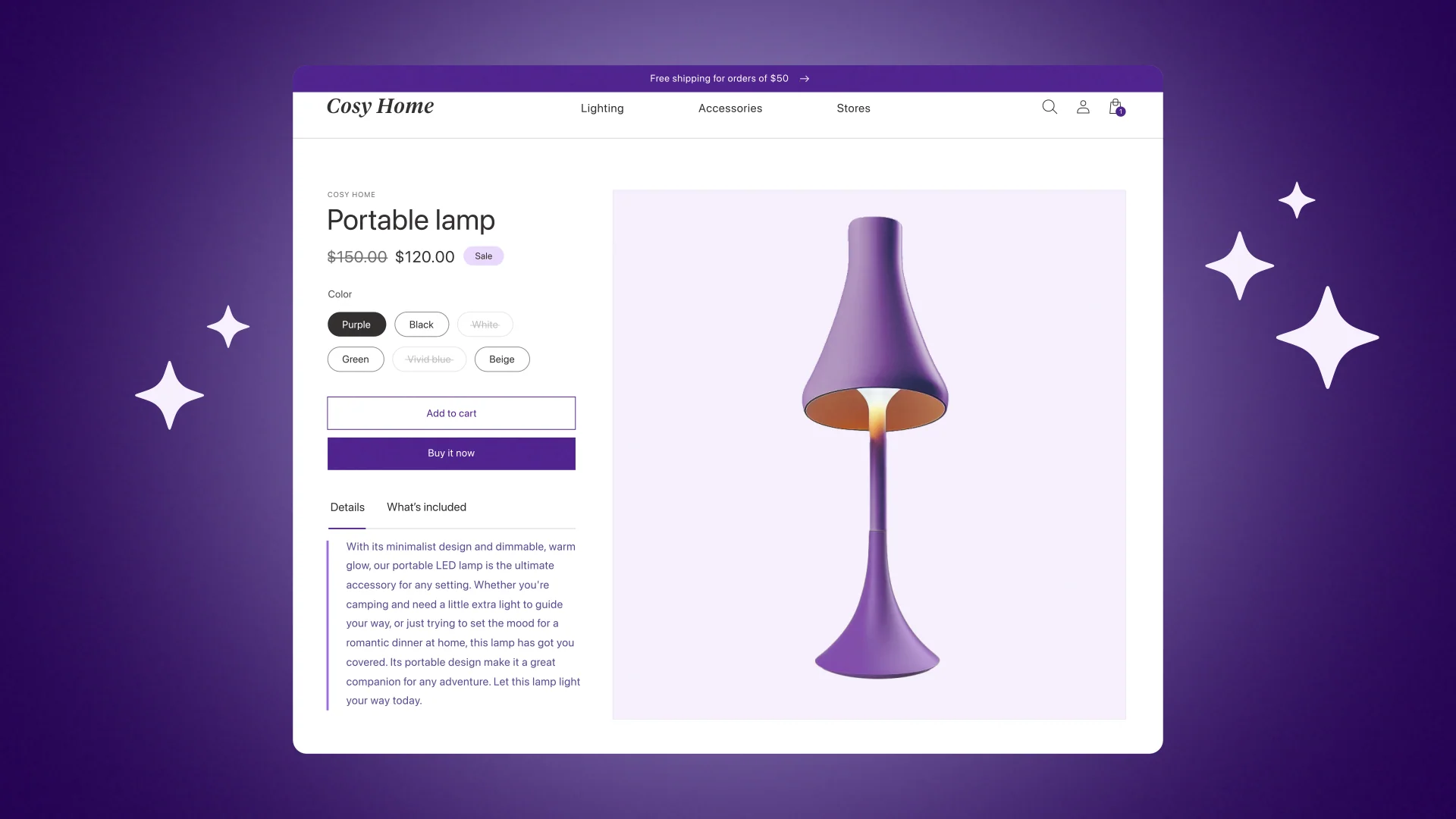
How AI Is Shaping Shopify: The New Features Built In Out of the Box
Shopify has woven artificial intelligence into nearly every corner of its platform. From AI-generated product descriptions to instant theme generation, here's a complete look at the AI features Shopify now includes out of the box — and how merchants can use them to sell smarter.

How Cheltenham Retailers Can Switch to Ecommerce: A Complete Guide
Discover how Cheltenham retailers can successfully transition to ecommerce with this comprehensive guide. Learn about platform selection, inventory management, shipping strategies, and local marketing tactics.
How to Create a Shopify Store: A Complete Step-by-Step Guide
Learn how to create a Shopify store from scratch with this comprehensive guide. We cover everything from initial setup and adding products to customising your theme and publishing your store.